At a Glance
Deal-by-deal investing involves raising a separate vehicle, usually a Special Purpose Vehicle (SPV), for each investment.
Fund investing pools committed capital upfront and deploys it across many companies.
Deal-by-deal lowers fundraising friction and lets limited partners (LPs) choose each deal; a fund deploys faster with more predictable economics.
LPs gain deal-level control with SPVs but commit less to any single manager, so some still favor funds.
Some managers blend both, running SPVs alongside a fund.
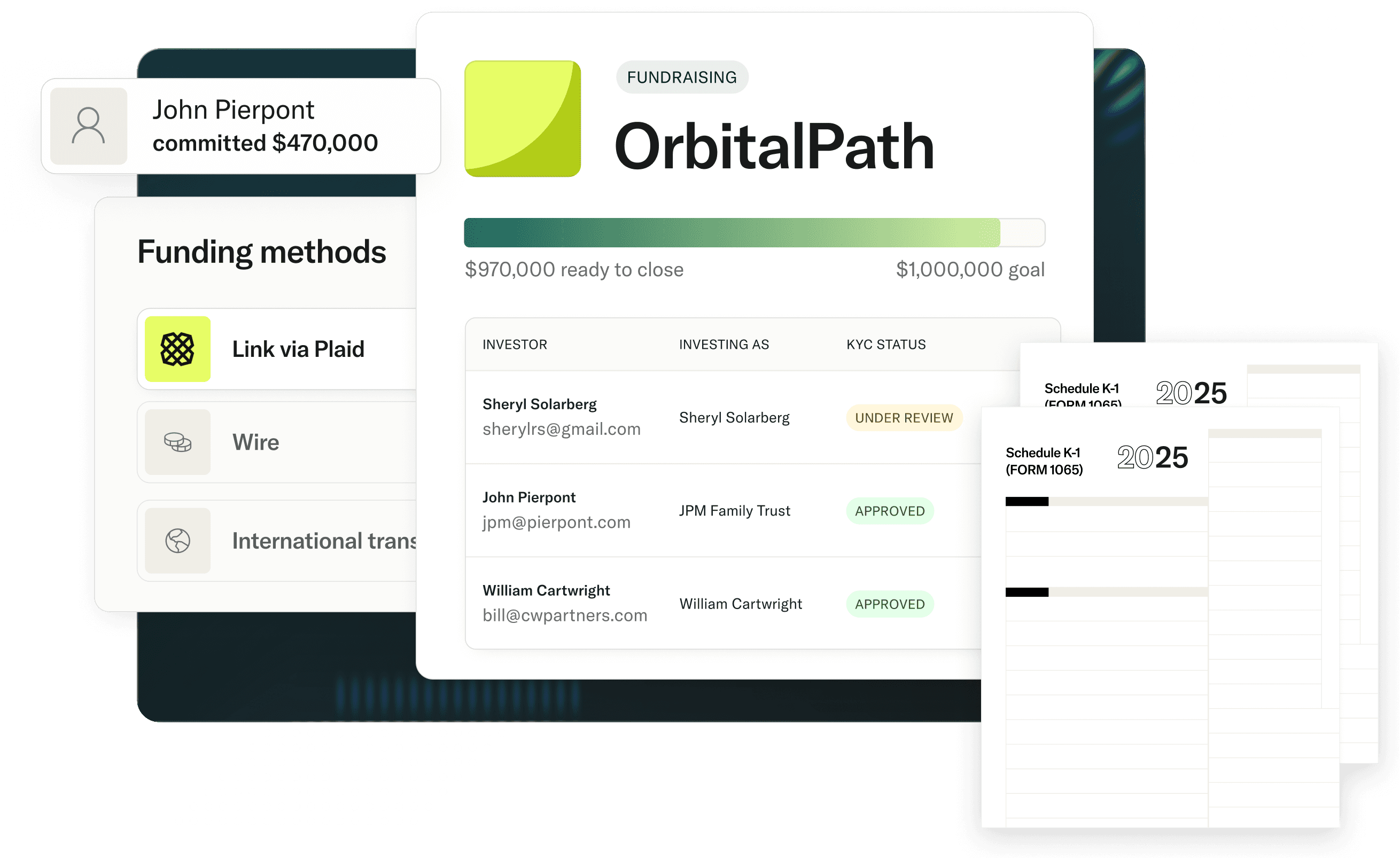
Sydecar's SPV administration platform helps venture managers execute deal-by-deal investing by allowing them to close deals quickly with no surprises.
What Is Deal-by-Deal Investing vs. Fund Investing?
Deal-by-deal investing means raising money one opportunity at a time, inviting LPs to opt in to an SPV investment on a single-deal basis. Fund investing means raising one pool of committed money upfront and investing it across many companies. This is often called a "blind pool" because LPs commit before they know the companies. The general partner (GP) then invests it across many companies over a set period.
How Does Each Model Work?
Capital, Timing, and Closing
Capital and timing determine when investors fund a deal and when the vehicle closes.
Deal-by-deal: The manager raises for one deal, investors send money when they commit, and the SPV closes around that deal, often within days.
Fund: LPs commit money upfront, the GP requests portions of it over time (capital calls), and the fund invests over several years.
Fees and Carried Interest
Management fees cover operating costs, and carried interest (carry) is the manager's share of profits.
Deal-by-deal: Managers apply fees and carry to each deal.
Fund: Managers typically charge a fee on committed capital plus carry across the portfolio, sometimes only after LPs receive a preferred return (a set minimum return paid to LPs first).
Deal-by-Deal vs. Fund Investing: Side-by-Side Comparison
Factor | Deal-by-Deal (SPV) | Committed Fund |
|---|---|---|
Fundraising | Per deal | One upfront raise |
Investor flexibility | Opt in each deal | Capital locked for years |
Investor choice | LPs pick each deal | GP allocates for LPs |
Economics | Carry + management fee per deal | Carry + management fee across portfolio |
Track record | Builds deal by deal | Judged at fund level |
Benefits and Tradeoffs for Managers
Deal-by-deal gives managers flexibility and a quicker fundraise. A committed fund gives them money in hand, faster investing, and steadier fees, but it is harder to raise.
Benefits and Tradeoffs for Investors
Deal-by-deal gives LPs choice and a clear view of each deal. A fund diversifies their exposure by spreading their money across many companies, but they must commit before they see the companies.
How Do Investors View Each Model?
LP acceptance of deal-by-deal investing has grown as SPVs have become more common in venture capital, and many LPs value seeing each company before they commit. In practice, they ask three questions:
Does the manager invest enough of their own money (skin in the game)?
Will reporting stay consistent across deals?
Does a deal-by-deal track record signal the discipline of a fund?
Managers who answer these questions directly build LP trust faster.
Which Model Should You Choose?
The right model depends on a few factors:
Deal volume and strategy: Managers who invest opportunistically or run a small team often start deal by deal.
Investor base: Those with a defined thesis and LPs ready to commit upfront often raise a fund.
Stage and track record: Managers building a track record often use SPVs first, then raise a fund later.
Blended approach: Many use a fund for core positions and SPVs for pro-rata/follow-ons, off-thesis opportunities, or co-investments.
Sydecar is an SPV administration platform built only for SPVs, giving managers:
Faster fundraising: Launch an SPV and onboard investors in minutes. The team reviews deal submissions within 4 hours on average.
Support built for small teams: Software plus human support handles formation, closing, and SPV administration.
An institutional look: SOC 2 Type 2 security, clean documents, and no shared LP data.
Transparent pricing: Sydecar charges a one-time fee upfront with a minimum of $4,500 and a maximum of $14,500.
Per-investor visibility: Track each investor's funding status in the platform.
Frequently Asked Questions
When Do Managers Receive Carry in Each Model?
In deal-by-deal investing, the manager earns carry when a specific deal exits, so payouts can arrive at different times. In a fund, carry is usually measured across all investments, and the manager receives it after LPs get their capital back plus any preferred return, so it often arrives later.
How Are Taxes Handled for SPV Investors?
An SPV is typically a pass-through entity, so gains, losses, and income flow to investors rather than being taxed at the vehicle level. Each investor generally receives a K-1 for their investment.
How Does a Blended Model Work?
In a blended model, a manager runs a committed fund for core positions and forms SPVs for larger deals, co-investments, or opportunities outside the fund's focus. This gives LPs a diversified pool plus the option to gain exposure to specific companies.